
徐家汇天主教堂是几号线从人民广场怎么去方便
公交线路:地铁1号线,全程约6.9公里
1、从人民广场乘坐地铁1号线,经过5站, 到达徐家汇站
2、步行约440米,到达徐家汇天主堂
徐家汇天主堂的文化交流
改革开放以来,该堂成为对外开放的重要场所,每年均有世界各地天主教人士前来参与宗教回活动或参答观访问,其中有香港胡振中枢机主教、澳门高秉常主教、林家骏主教、菲律宾海梅·辛枢机主教等;英国圣公会坎特伯雷大主教伦西博士、凯瑞博士,南非圣公会主教图图博士来沪访问期间,曾到该堂参观。
据资料记载,该堂教徒人数建堂时为100余人,光绪二十七年(1901年)1700人,民国31年(1942年)7000人,1951年8400人,1998年10350人。

上海徐家汇天主堂主教府的法庭是干什么的
教会有教会组织的法律。神职人员,信徒,都有应该遵守的法律。因为天主教庞大的组织架构,和严明的纪律。所以天主教要有教会法律去约束一些具体的行为。
上海外滩或者是徐家汇天主堂的英语介绍,急求!!先回答的加分
The Shanghai Bund has dozens of historical buildings, lining the Huangpu River, that once housed numerous banks and trading houses from the United Kingdom, France, the United States, Italy, Russia, Germany, Japan, the Netherlands and Belgium, as well as the consulates of Russia and Britain, a newspaper, the Shanghai Club and the Masonic Club. The Bund lies north of the old, walled city of Shanghai. This was initially a British settlement; later the British and American settlements were combined in the International Settlement. A building boom at the end of 19th century and beginning of 20th century led to the Bund becoming a major financial hub of East Asia. The former French Bund, east of the walled city was formerly more a working harbourside.
By the 1940s the Bund housed the headquarters of many, if not most, of the major financial institutions operating in China, including the "big four" national banks in the Republic of China era. However, with the Communist victory in the Chinese civil war, many of the financial institutions were moved out graally in the 1950s, and the hotels and clubs closed or converted to other uses. The statues of colonial figures and foreign worthies which had dotted the riverside were also removed.
In the late 1970s and early 1980s, with the thawing of economic policy in the People's Republic of China, buildings on the Bund were graally returned to their former uses. Government institutions were moved out in favour of financial institutions, while hotels resumed trading as such. Also ring this period, a series of floods caused by typhoons motivated the municipal government to construct a tall levee along the riverfront, with the result that the embankment now stands some 10 metres higher than street level. The Bunds revitalization began in 1986 with a new promenade by the Dutch Architect Paulus Snoeren and has dramatically changed the streetscape of the Bund. In the 1990s, Zhongshan Road (named after Sun Yat-sen), the road on which the Bund is centred, was widened to ten lanes. As a result, most of the parkland which had existed along the road disappeared. Also in this period, the ferry wharves connecting the Bund and Pudong, which had served the area's original purpose, were removed. A number of pleasure cruises still operate from some nearby wharves.
In the 1990s the Shanghai government attempted to promote an extended concept of the Bund to boost tourism, and land value in nearby areas, as well as to reconcile the promotion of "colonial relics" with the Socialist ideology. In its expanded form, the term "Bund" (as "New Bund" or "Northern Bund") was used to refer to areas south of the Yan'an Road, and a stretch of riverfront north of the Suzhou River (Zhabei). Such use of the term, however, remains rare outside of the tourism literature.
From 2008, a major reconfiguration of traffic flow along the Bund was carried out. The first stage of the plan involved the southern end of the Bund, and saw the demolition of a section of the Yan'an Road elevated expressway, which will remove the large elevated expressway exit structure which formerly dominated the confluence of Yan'an Road and the Bund. The second stage, begun on 1 March 2008, involves the complete restoration of the century-old Wai Bridge at the northern end of the Bund. The restoration is expected to be completed by early 2009. The next stage of the plan involves a reconstruction of the Bund roadway. The current 8-lane roadway will be rebuilt as in two levels, with four lanes on each level. This will allow part of the Bund road space to be restored to its former use as parkland and marginal lawns. The new concrete bridge that was built in 1991 to relieve traffic on Wai Bridge will also be rendered obsolete by the new double-levelled roadway, and will be demolished.
The Bund was re-opened to the public on Sunday 28 March 2010 after restoration
徐家汇天主教堂在哪里
人家是问教抄堂在哪里!!地址:上海市徐汇区蒲西路158号毗邻徐家汇商圈乘车线路:926路,816路,712路,931路,920路,南佘专线其实你还可以坐地铁一号线到徐家汇站下然后行10多分钟步行路程开放日周六下午13:00-16:00周日下午13:00-16:30有义工带领参观教堂,每半小时一批。另外,弥撒时间周六16:30儿童弥撒18:00弥撒周日7:00主教弥撒10:00主日弥撒因为每周我都要路过天主教堂,所以对于它的地理位置我是非常熟悉的。要是你还是不清楚它的地理位置还可以联系我,我都可以带你去参观,哈哈
徐家汇天主教堂怎么用英文介绍
The Shanghai Bund has dozens of historical buildings, lining the Huangpu River, that once housed numerous banks and trading houses from the United Kingdom, France, the United States, Italy, Russia, Germany, Japan, the Netherlands and Belgium, as well as the consulates of Russia and Britain, a newspaper, the Shanghai Club and the Masonic Club. The Bund lies north of the old, walled city of Shanghai. This was initially a British settlement; later the British and American settlements were combined ...
徐家汇天主堂的介绍
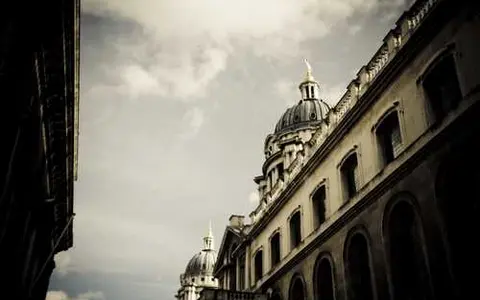
徐家汇天主教堂是中国著名的天主教堂,位于中国上海市徐汇区徐家汇蒲西路158号,为天主版教上海教区主教座堂,正式权的名称为“圣依纳爵堂”,堂侧有天主教上海教区主教府,修女院,建筑风格为中世纪哥特式。现在的这座主教座堂于清光绪三十年(1904年)动土兴建,清光绪三十六年(1910年)9月大堂落成。整幢建筑高五层,砖木结构。法国中世纪样式。大堂顶部两侧是哥德式钟楼,尖顶。高50米。大堂内圣母抱小耶稣像立祭台之巅,俯视全堂,为整座教堂之中心。教堂占地面积2670平方米,建筑面积6670平方米,可容纳3000余人。12013年被列入第七批全国重点文物保护单位。

上海1号线徐家汇下站如何到天主教教堂
徐家汇地铁站八号口出去往前走一点点路就到了
徐家汇天主教堂的一些问题
1.22、23号开放的
2.非教徒当然可以进,本来就是开放给非教徒进去参观的啊,希望内能有更多的人加入这容个大家庭(对天主教有兴趣的可以问下教友或者门房间墓道班的时间,入教前有课程上的可以让你最后决定要不要当基督徒)
3.有纪念品,一个橱窗里各式各样的很多,不过都不是盈利目的的拿来的钱都是公共用途用于教会打印纸头啊,采购免费发放的物品啊,所以非常便宜的,都几乎不怎么赚钱,比淘宝上的便宜多了
4.参观的人要看情况的,有旅游团来人比较多一般情况人都是陆陆续续的
5.我是教友,感受就是徐家汇天主堂是上海教区的主教座堂,规模很大的可以容纳3000到4000人左右,教堂都很神圣,进去请不要大声喧哗哦
上海徐家汇天主堂历史
徐家汇地区原是明朝太子太保、东阁兼文渊阁大学士、礼部尚书徐光启的出生地,农业种子实验场,曾有三条河流(肇家浜,法华泾,蒲汇塘)交汇于此,故得名。利玛窦神父及其最初的同事们,为江南天主教会的建立打下了基础。接替他在南京工作的罗如望神父,在1603年(万历三十一年)劝化了徐光启,罗神父给他付了洗,圣名保禄。徐光启是上海地区的第一位天主教友,1608年他邀请郭居敬神父到上海开教,他的本家便成了附近地区教会事业的发源地。不久,在这位著名阁老的影响下,有许多农民信奉了天主教,这就是我们上海许多美好会口的起源。至1663年(康熙二年)上海就有两座教堂,六十六所小堂,约四万名教友。
十八世纪,中国天主教会经历的诸多不幸(中西礼仪之争,雍正及乾隆时期的宗教迫害,耶稣会的解散),使江南地区的教会事业陷入困境。传信部于1840年(道光二十年)在江南教友多次的请愿后,派遣耶稣会传教士重回江南,至1848年(咸丰七年)耶稣会南格禄会长决定在徐家汇创办一所住院,提供给神父们每年前来避静及做歇夏。1851年(咸丰十年)初,一座与住院相称的圣堂已必不可少了,于是决定兴建一座正式的圣堂。由辅理修士范廷佐(1848年设计董家渡圣方济各主教座堂)拟订建筑图样,罗礼思神父(1860年设计洋泾浜圣若瑟堂)监督营造了一座希腊式的教堂,奉圣依纳爵·罗耀拉为主保圣人。这座希腊式的教堂是上海地区第一座按西方建筑式样建造的教堂。自教堂建成后,徐家汇渐渐取代董家渡,成为了江南教区的中心,建造了一系列教育、文化、慈善设施(1847年建徐家汇藏书楼[现徐家汇藏书楼],1850年创圣依纳爵公学[现徐汇中学],1870年圣母院从青浦迁来[现上海老站/圣衣会院现为上海电影制片厂],1864年创办土山湾工艺院[现工艺美术学院],1867年创立博物院和崇德女学,1873年建天文台[现上海气象台],1848年创立耶稣会大修院(神学院)[现徐汇区政府],1904年建启明女中[现市四中学]等)。到19世纪末,附近教友日渐增多,仅能容纳200余人的老堂已不敷使用,教区决定筹建更大的教堂。1910年(宣统二年)新堂落,教堂规模宏大,装饰华丽,被誉为“远东第一大教堂”,仍奉圣依纳爵为主保。老堂则划归圣依纳爵公学使用,改称圣母无原罪堂(1994年,老堂和主教府合拆新建主教公署大楼)。由此主教公署等教会机构都移至此地。
徐家汇天主堂由建筑师陶特凡(W.M.DOWDALL)设计,法国上海建筑公司先期于1896年开始搭建工棚雕琢石柱1906年7月31日正式动工,耗时四年建设,1910年10月22日举行落成典礼。圣堂坐西朝东,最宽处34米,进深84米,内高28米。砖木结构,占地面积2670平方米,建筑面积6670平方米,可容纳3000余人。哥特式建筑风格(强调垂直平面,是真正的挺立,教堂及尖顶似乎不受地心引力的影响,睹其风采,眼要往上看,直至顶部),平面为拉丁十字型。外墙清水红砖砌筑,四周尖拱窗有彩绘玻璃镶嵌其中,墙基用青石,分间处置扶壁。教堂的东立面两座对峙的钟楼高达57米,内有两口大钟,顶上的一对十字架约有一吨重。立面中间由叠涩形成的多层拱券大门,玫瑰花窗及山墙组成,正门上方曾耸立着耶稣抱十字架的圣像。教堂内为方砖地坪,花瓷铺砌,顶脊呈尖拱状。堂中有大小石柱64根,都是用金山石精刻细凿。深长的主殿将进入者的目光和心灵引向远端的正祭台,正祭台在教堂落成时是临时的,1919年复活节前特地从巴黎运来一座精致的祭台安装正中,费用由一位法国富孀捐献。祭台正中安置有圣依纳爵及其他8位圣人像,雕刻精美,色彩鲜明。堂内还另有20座小祭台。横轴由南北耳堂组成,十字交叉点上方曾有一座钟楼。
“文革”中,教堂遭受灾难性破坏,三座钟楼尖顶被拆,所有彩绘玻璃窗全部被砸,历经百年的宗教书籍和已被国务院定为国家二级文物的木雕祭台、圣像和丝织刺绣艺术品全部被拖到教堂前焚毁。奥地利产管风琴被拆成一堆废铜烂铁,教堂也成了果品仓库。1979年落实宗教政策后,已是满目苍夷的大堂重新归还上海教区。1982年教堂进行了大修,钟楼勉强恢复,但原祭台陈设及彩绘玻璃,管风琴等艺术珍品都无法再现了。
现今恢复了部分在“文革”期间遭损毁的祭台,电子风琴取代了原有的著名管风琴,窗户正在陆续装上富有中国特色的彩色玻璃,使昔日“远东第一大堂”的圣依那爵大堂重现光彩。

评论列表: